
Alexander's Fund
A family fund of
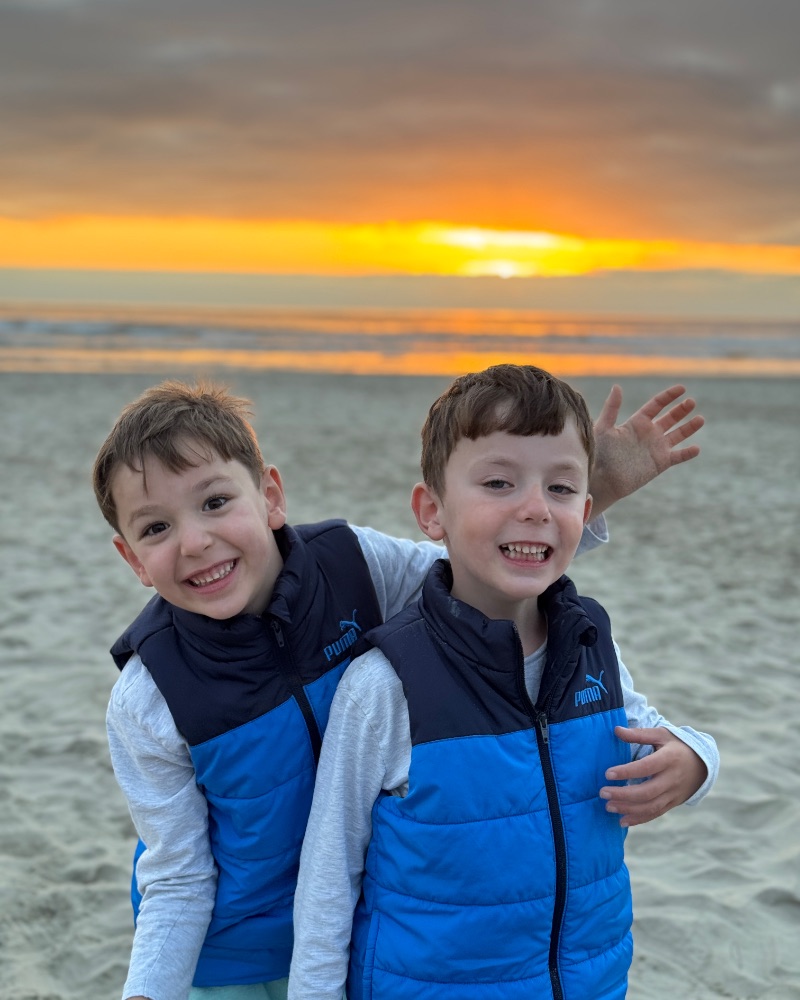
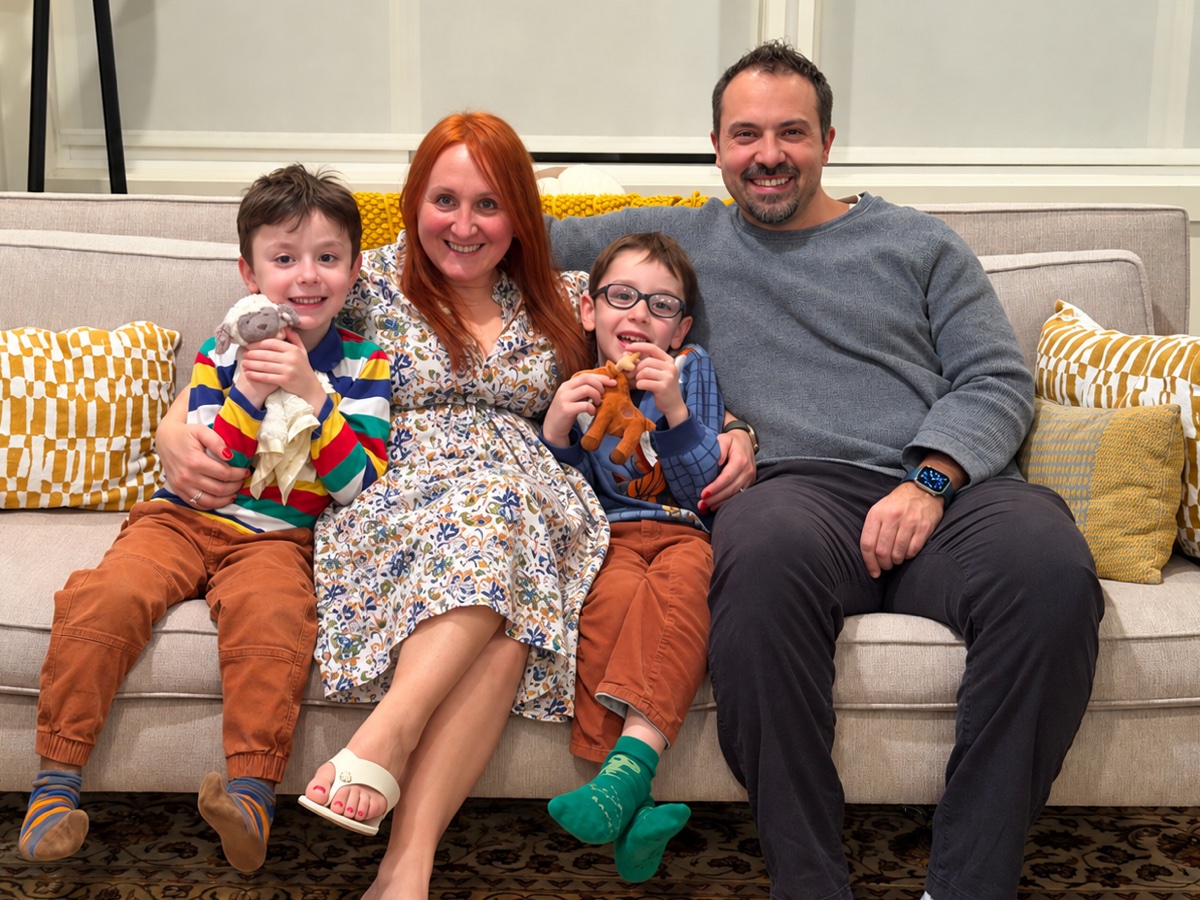
Alex and his twin brother, Niko, were born after eight unsuccessful rounds of IVF. Before starting our IVF journey in 2016, we did everything we were supposed to do. Our IVF doctor recommended comprehensive genetic testing, and we both completed carrier screening.
What we didn't know was how little we knew about rare diseases, and that a “comprehensive” genetic panel was not truly comprehensive. We thought we had asked the right questions, followed the right advice, and done everything within our control.
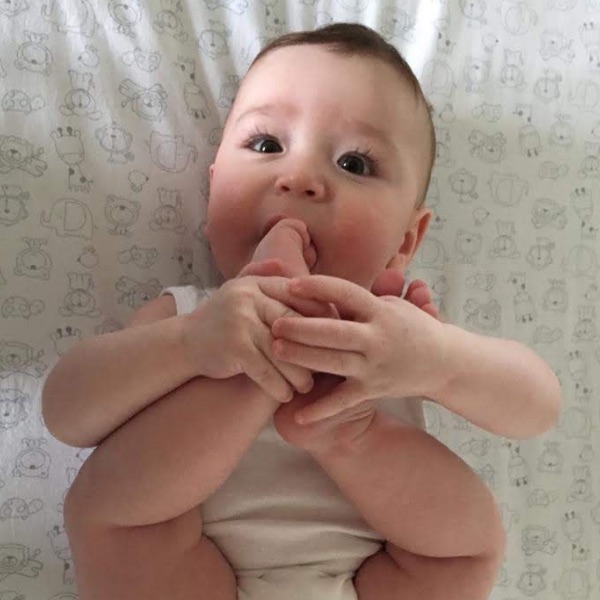
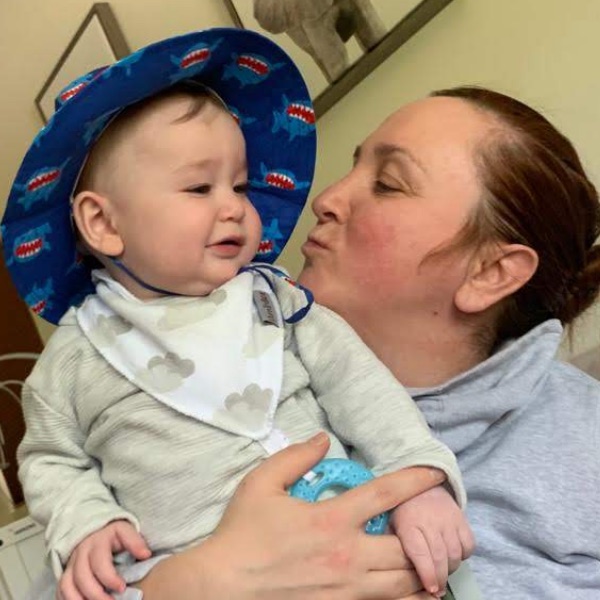
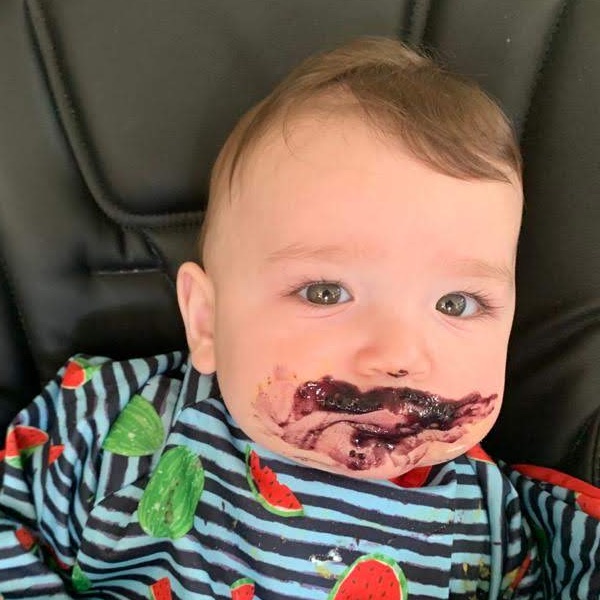
Alex was born on September 19, 2019. He crawled first, walked first, and spoke first. We never even had to potty train him; one day, he simply decided to start using the potty. By three, he was putting together puzzles meant for much older children. He loved painting and drawing, and he still loves creating and building things today.
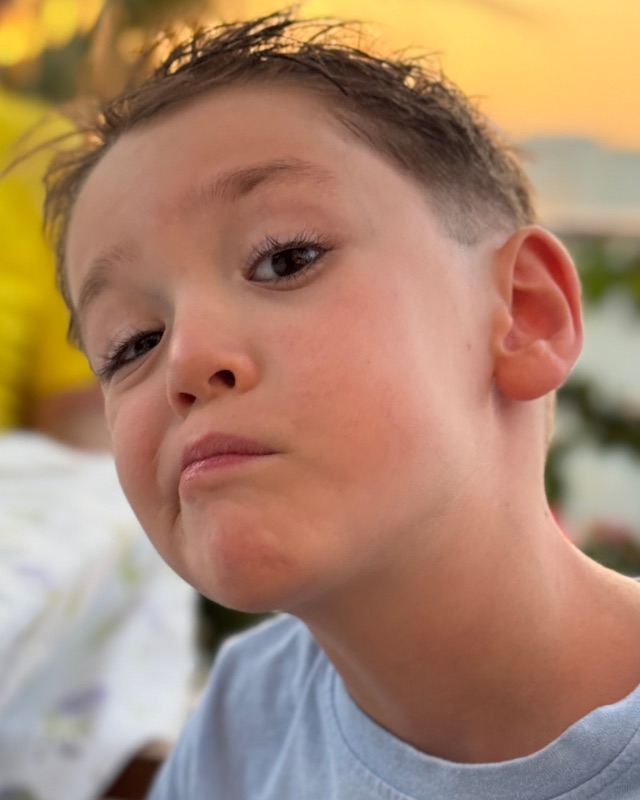
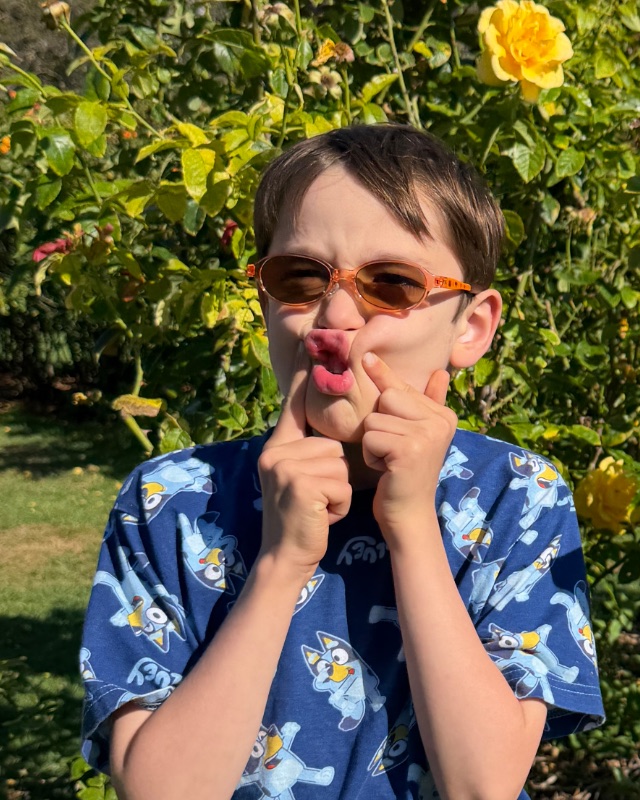
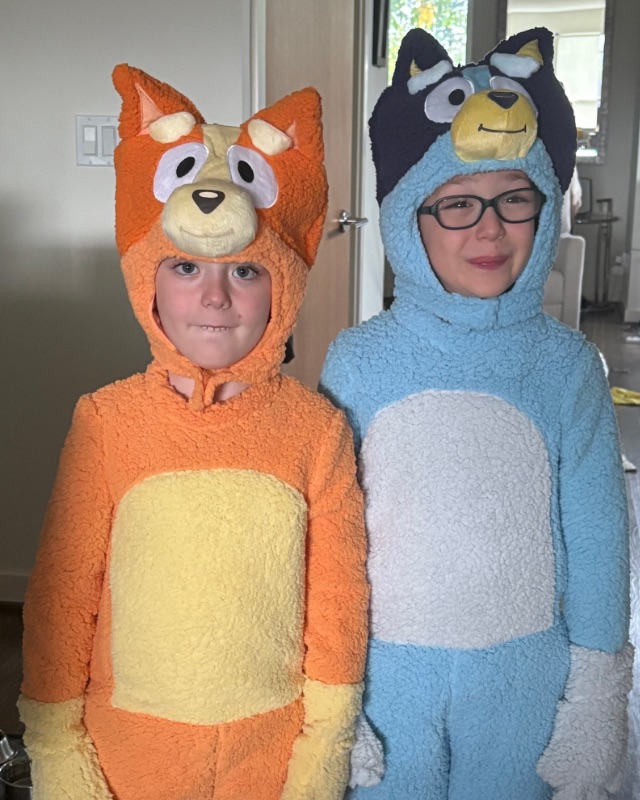
He is tall, handsome, brave, and one of the kindest boys you will meet. He hikes, skis, swims, does well in school, and loves helping around the house. Even as his vision has declined, he somehow still reads the room. He notices how people are feeling and what they need, often before they ask. He brings his grandma her glasses, gets a blanket when one of us is cold, or gives a hug when he senses we need one. He is sweet, thoughtful, creative, and deeply caring, and we are so lucky to be his parents.
Unfortunately, our story is not unique. Alex failed his vision screening at his five-year check-up. It took eight months and a lot of persistence to finally understand why he was struggling to see and why no pair of glasses was ever going to solve the problem.

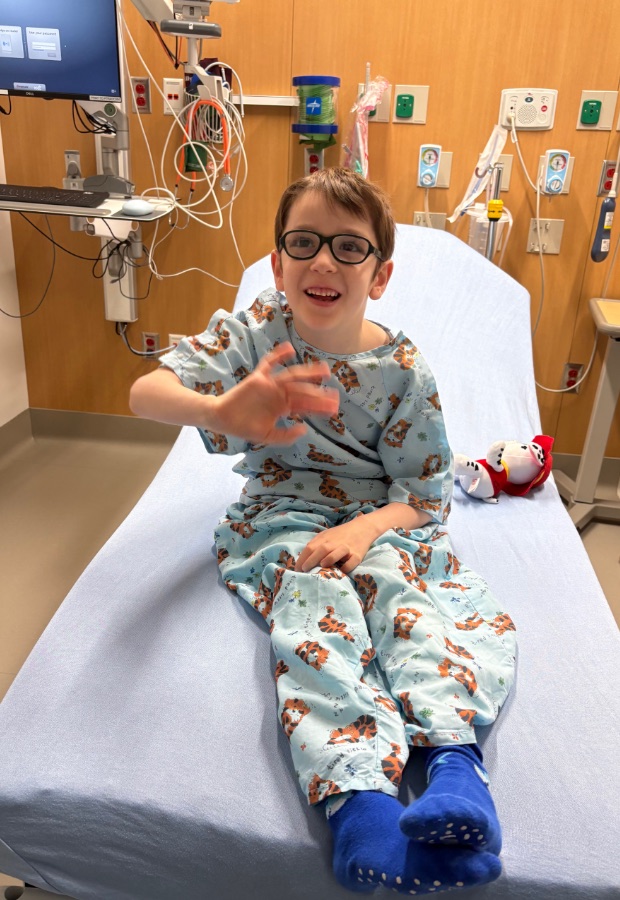
On February 5, 2026, our hearts were shattered. We learned that the reason Alex was losing his vision was CLN3 Batten disease. Hearing that your child will become blind, develop dementia, and die in his twenties is something no parent can ever prepare for. There are simply no words to describe that kind of pain.
CLN3 is a relentlessly progressive disease. Every month that passes without treatment means more neurons lost, more vision gone, and more of our child slipping away. Learn more about CLN3.
Over the last seven months, we have spoken with nearly everyone working on this disease and have come away convinced that gene therapy is the best chance for Alex and children like him. A single dose delivering a working copy of the gene their cells are missing, given before too much is lost.
A small biotech company called Neela Therapeutics has been developing a gene therapy for CLN3. The company was founded by members of the team behind intrathecal Zolgensma, an FDA-approved gene therapy, and its chief scientist co-invented this CLN3 therapy and has helped bring seven gene therapy programs into clinical trials.
Four children have already received a single dose, with the longest follow-up now more than six years. The treatment has been well tolerated, and the results are encouraging. Children with CLN3 typically lose about three points per year on the standard Batten disease rating scale. Across the four children treated with this gene therapy, Neela reports that the average decline has been essentially flat, with three of the four children showing stabilization.
It is the only gene therapy for CLN3 in clinical trials today, and there is no approved treatment that changes the course of the disease. The FDA has given the program four designations meant to speed treatments for rare diseases (Regenerative Medicine Advanced Therapy, Fast Track, Orphan Drug and Rare Pediatric Disease), and Neela is aiming to apply for approval in 2028. This gene therapy, and the company developing it, were featured in CNBC Cures in September 2026.
📄 Read Neela’s introduction to the program (PDF)
Vision is the first thing CLN3 takes, and it is also the part of the disease that the current treatment reaches least effectively. The program we are supporting would expand the approach by delivering the same gene therapy directly to the eye, in addition to the spinal fluid, with the goal of protecting both the brain and vision.
We need to raise $5 million to move this program forward. The Beyond Batten Disease Foundation, the largest patient organization focused on Batten disease, is organizing the financing. We are committing our own money and looking for others to join us.
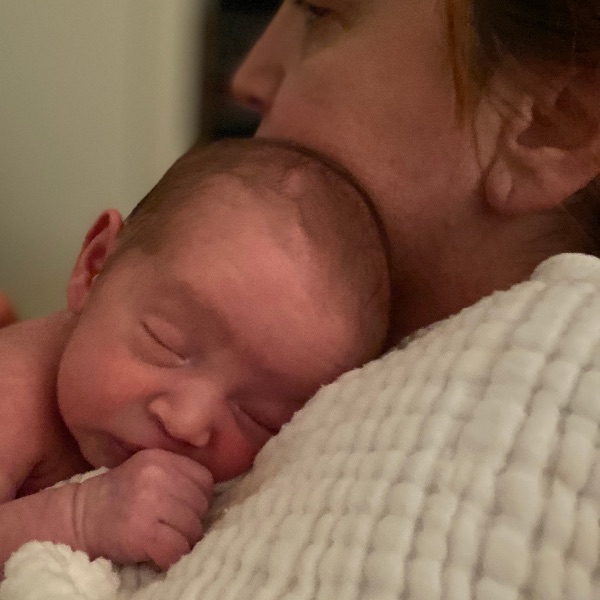

Parents of children with rare diseases do not have the luxury of waiting. We fight because we must, because our children cannot fight for themselves, and because hope, however difficult the road, remains the only acceptable option. There is a saying that hope is a verb with its sleeves rolled up. Ours are rolled up as high as they can go.
Help give Alex and other children with CLN3 the chance to keep their memories, their independence, and their future, and give their parents what every parent should have: the chance to watch their child grow up instead of watching CLN3 slowly steal them away.
Please join our fight!
Many families, foundations and investors are working together to raise the $5 million this program needs. This tally shows gifts and pledges from our friends and supporters. Last updated October 23, 2026.
Both options are described in BBDF’s one-pager: How the financing works (PDF)
Want to help in another way, with an introduction, an idea or your time? Write to us at [email protected].